
SCIENCE · PRIMARY PAPER READING · 29 SEPTEMBER 2026
A Molecule, Its Water, and the Chemistry Between Them
A reaction becomes clearer when researchers measure both a molecule and the water around it.
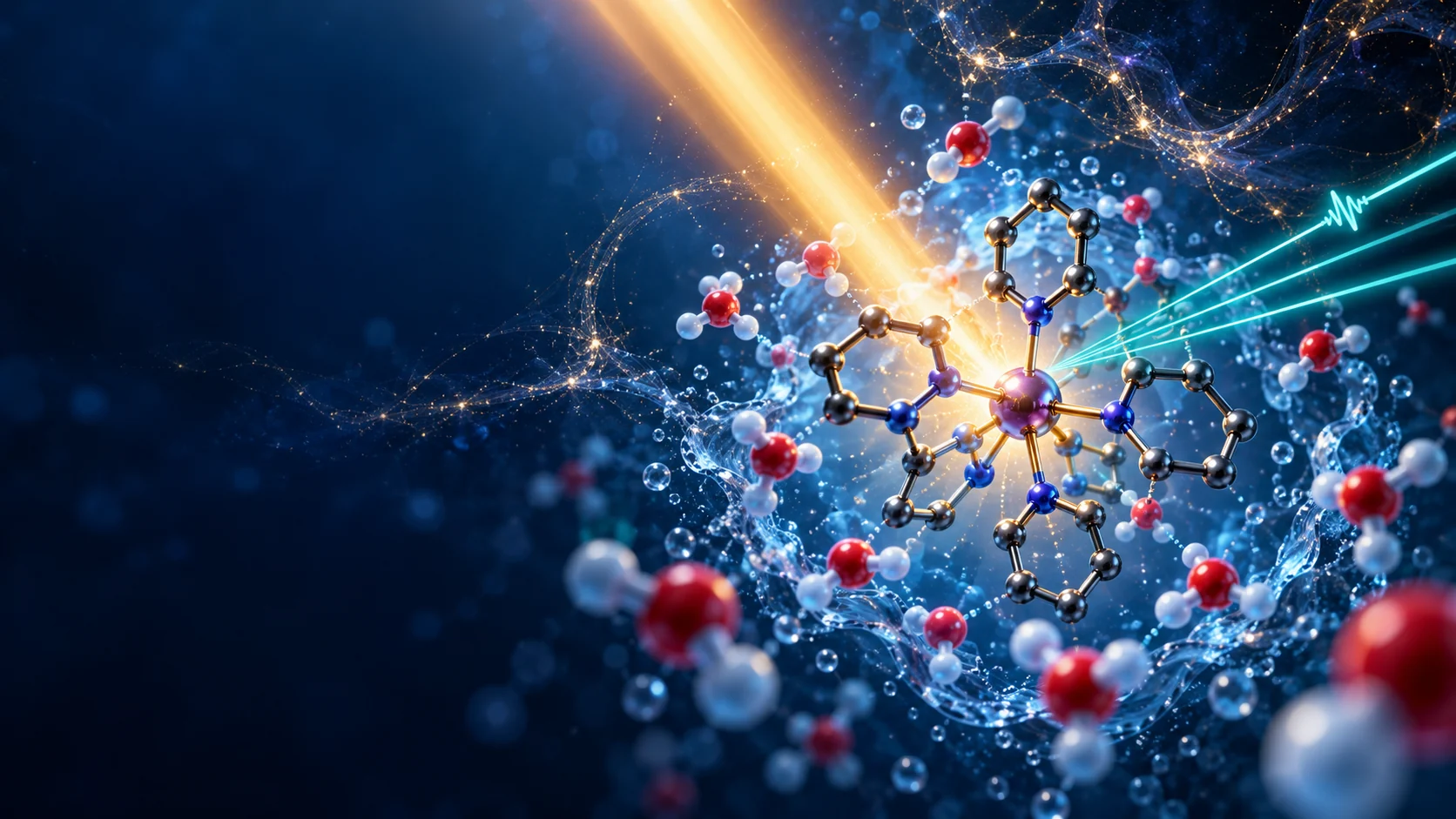
Researchers combined ultrafast X-ray methods and simulations to study a light-driven reaction in water. Their measurements connected changes in a model molecule’s electronic structure with reorganisation of the surrounding water. The work does not test consciousness or an Akashic field.
What Was Studied?
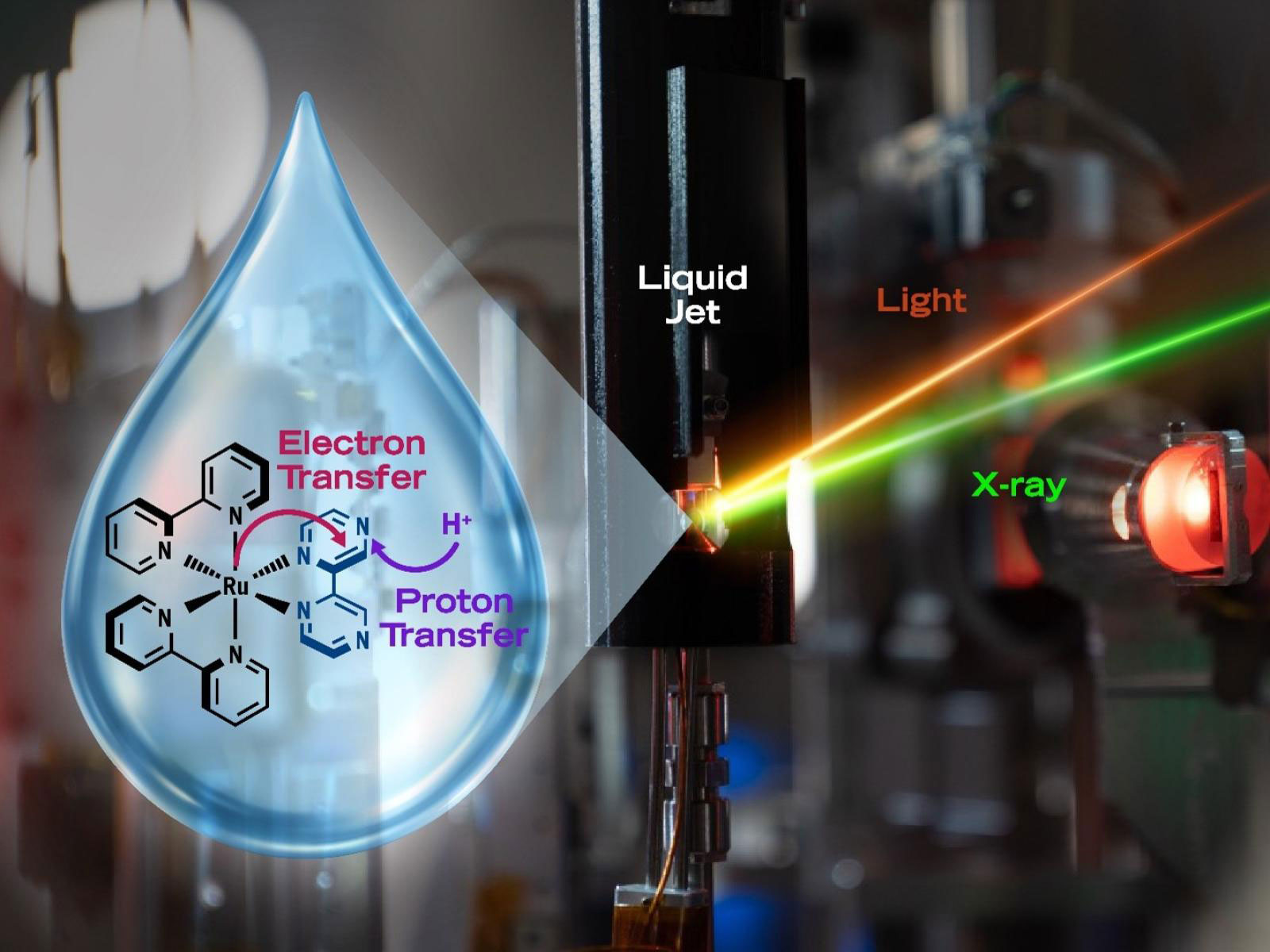
The reaction belongs to a family called proton-coupled electron transfer (PCET), important in photosynthesis, metabolism and energy technologies. This experiment used a light-sensitive, ruthenium-based molecular complex in water. Under acidic conditions, the complex absorbs light and gains a proton.
One X-ray technique probed electronic changes at particular molecular sites. Another tracked structural changes involving the molecule and surrounding water. Optical measurements and computer simulations helped the team interpret how the reaction unfolded.
Why the Water Matters
Water is part of the reaction’s physical setting. Measuring its reorganisation alongside changes inside the molecule gave the researchers a more complete account of this model system.
Measurement limit: the proton was not directly seen. The team inferred its role from electronic and structural signals and their agreement with calculations. The result is a time-resolved reconstruction, not a video of individual particles moving.
The Research Team’s Illustration
The AkashicNET Reading
In the studied model system, the measurements and analysis linked molecular electronic changes with reorganisation of surrounding water.
The study is a specific example of why context and relationships can matter when explaining a physical process.
Can these combined methods resolve the order and roles of proton, electron and solvent changes in more complex reactions?
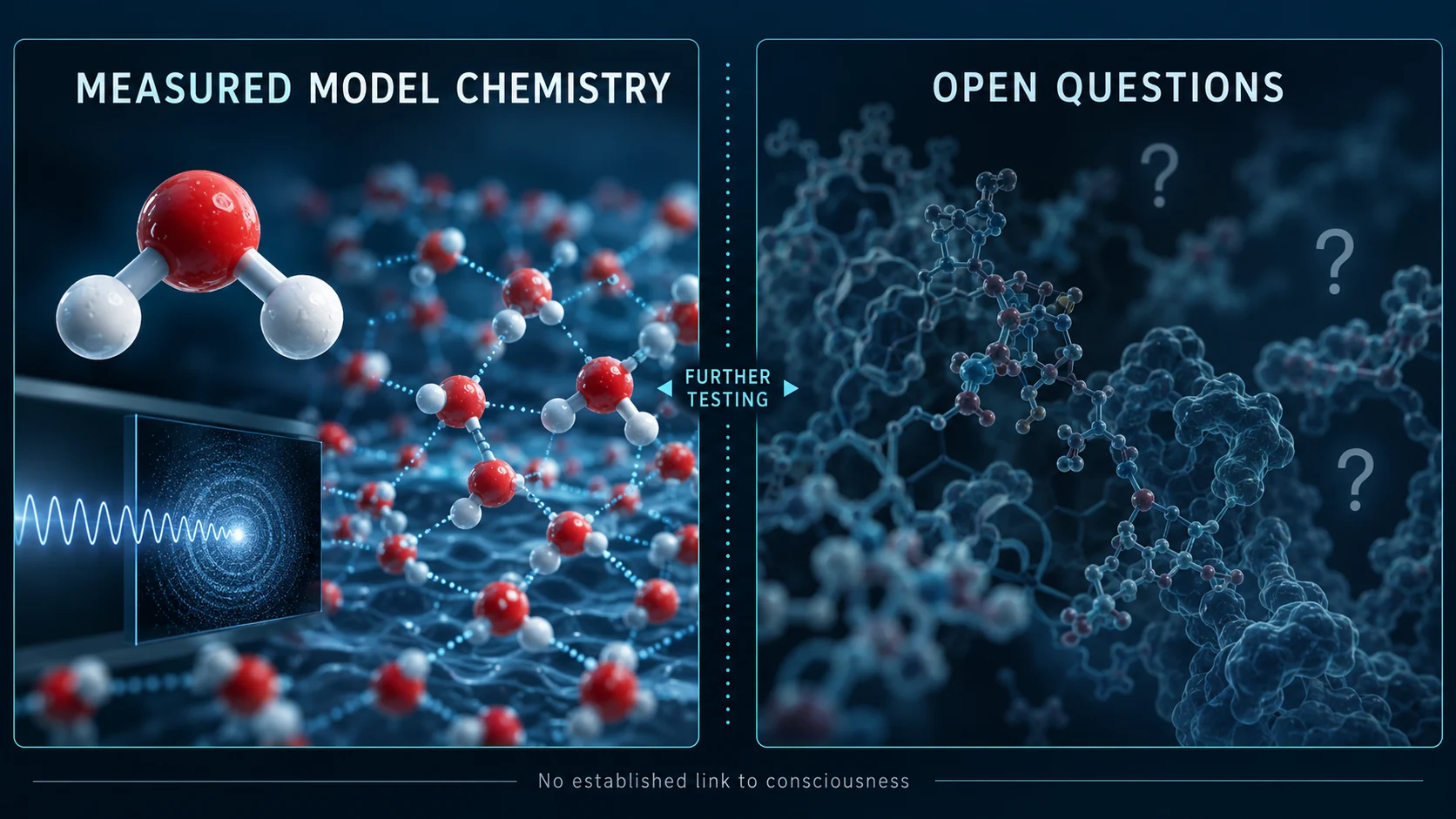
This experiment establishes no mechanism or evidence for consciousness, awareness or an Akashic field. Such connections require independent hypotheses and tests.
Sources and Transparency
- Kahraman et al., Nature Communications (2026): original paper ↗
- Pacific Northwest National Laboratory: research explanation and credited illustration ↗
- SciTechDaily: science news coverage ↗
AkashicNET selected the question and interpretive framing. AI assisted with source synthesis, wording and the two conceptual visuals. The credited research team composite appears above. The experimental findings belong to the cited researchers. We did not independently analyse their data.
Discussion: When does measuring a system’s surroundings change how we understand the system itself?