Artistic metaphor, generated with AI. The image illustrates inquiry and changing perspective; it is not scientific evidence.
New Big Question candidate · Unnumbered · Unresolved
What, If Anything, Does Transcendence Reveal About Reality Beyond Our Experience?
Does transcendence reveal something beyond ordinary perception, change how we interpret experience, or involve both?
A piece of music can seem to open a world. Meditation can change the felt boundaries of the self. An encounter with nature can leave the ordinary strangely luminous. What should we make of such moments?
Here, “beyond our experience” asks about reality beyond an individual’s immediate subjective account. It does not assume that an experience provides an unmediated view of reality. What was experienced, what caused it, what it reveals and what follows from it are separate questions.
Two starting points
David Lynch
“A human being is like a lightbulb—we radiate out what's inside.”
Lynch connects meditation with creativity and the quality of everyday life.
Quotation reproduced in the N2N Mindrolling 445 post. Original audio timestamp remains to be verified.
James Fadiman
“Transpersonal psychology is a framework which allows you to get a larger view.”
Fadiman discusses expanded perception, identity and a broader field of psychological inquiry.
These reflections provide inspiration. Their individual claims still need appropriate appraisal. Enlightenment is an explored concept with different meanings across traditions; this framework does not assign spiritual attainment to people.
What changes in self-boundaries, agency and the story of ‘me’?
02
Awe & Chills
How do felt vastness, frisson, emotional elevation and connectedness relate?
03
Music & Movement
How do sound, rhythm, dance and creative activity shape experience?
04
Contemplative Traditions
How do distinct traditions understand awakening, liberation and practice?
05
Death & Continuity
What do reports describe, and which interpretations remain open?
06
Integration & Service
Which changes endure, and when do they become compassionate action?
Figure 1. Conceptual topic map. These are overlapping areas of inquiry, not measured proportions or levels of attainment. Transcendental Meditation is a specific practice; transcendence is the broader subject.
One experience. Several explanations.
Figure 2. Candidate interpretations and assessment routes; no probability ranking.
Interpretation
What might contribute?
What could help assess it?
Perception and self-modelling
Changes in attention, self-boundaries and expectation.
Compare reports and appropriate measures across conditions.
Culture and relationships
Language, teaching and setting shape meaning.
Examine prior beliefs and differences across contexts.
Access to ordinarily missed reality
Some reported insights might be independently accurate.
Specify predictions; check prior knowledge and alternative explanations.
Mixed processes
Several processes contribute.
Test distinct contributions without making the account unfalsifiable.
Felt certainty does not establish external accuracy. Equally, measuring a correlate does not by itself settle the metaphysics of consciousness. Where accounts make no distinguishable predictions, the question remains philosophical rather than empirically resolved.
What happens after the moment?
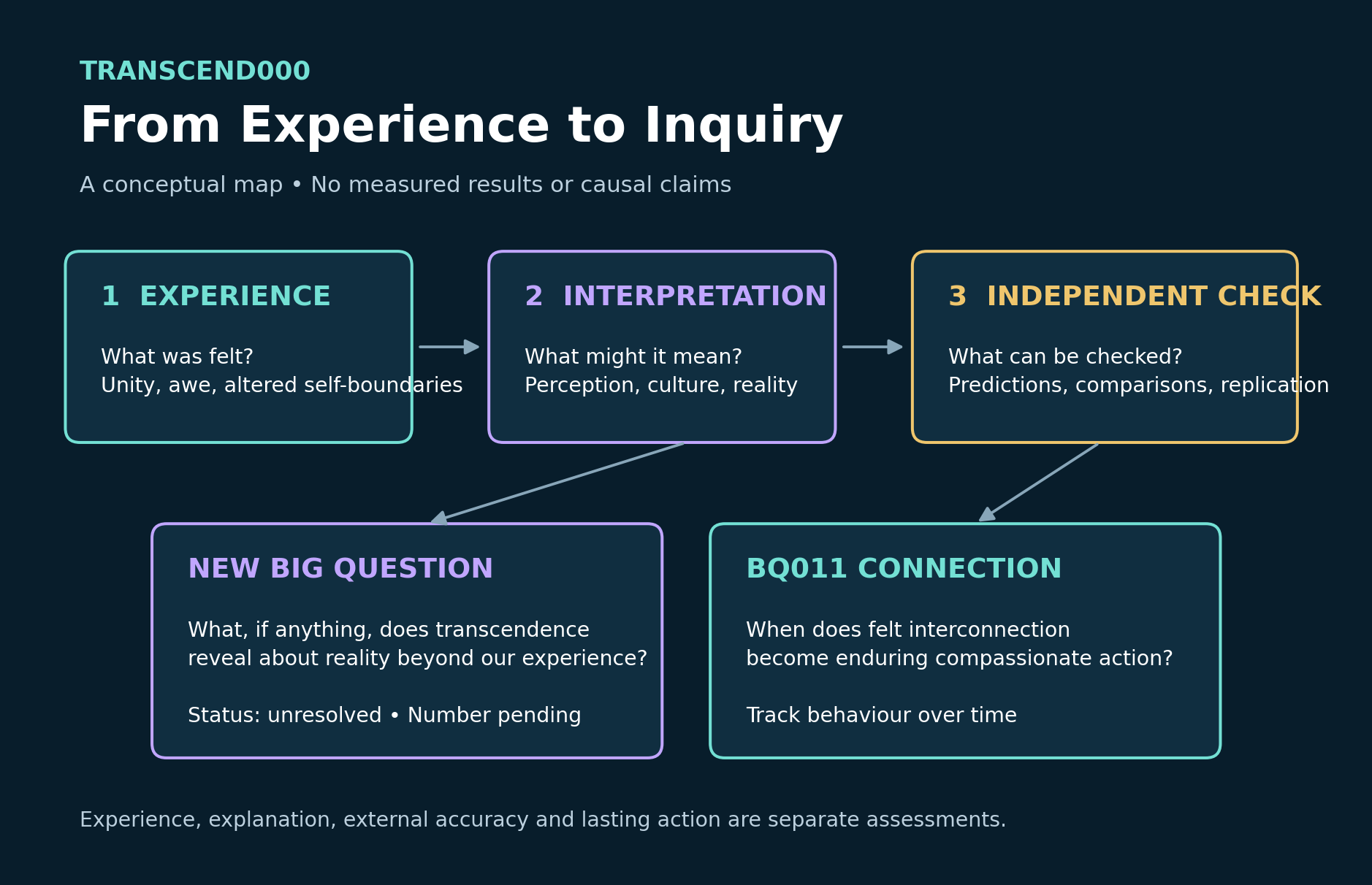
Figure 3. A conceptual inquiry map. Arrows organise questions; they do not establish causation.
Track immediate feeling, intention, completed action and sustained contribution separately. Ask about prior values, community, time, resources and opportunity. Meaningful experience can motivate care while its metaphysical interpretation remains unresolved.
A reader’s inquiry
Describe what happened before explaining it.
Record the context, expectations and relevant prior experiences.
Separate feelings, interpretations and independently checkable claims.
Consider other explanations for the same account.
Notice what changes later in relationships, creativity and practical care.
A reflection guide, not a diagnostic scale or validated research instrument.